1.What Is a Capacitor?
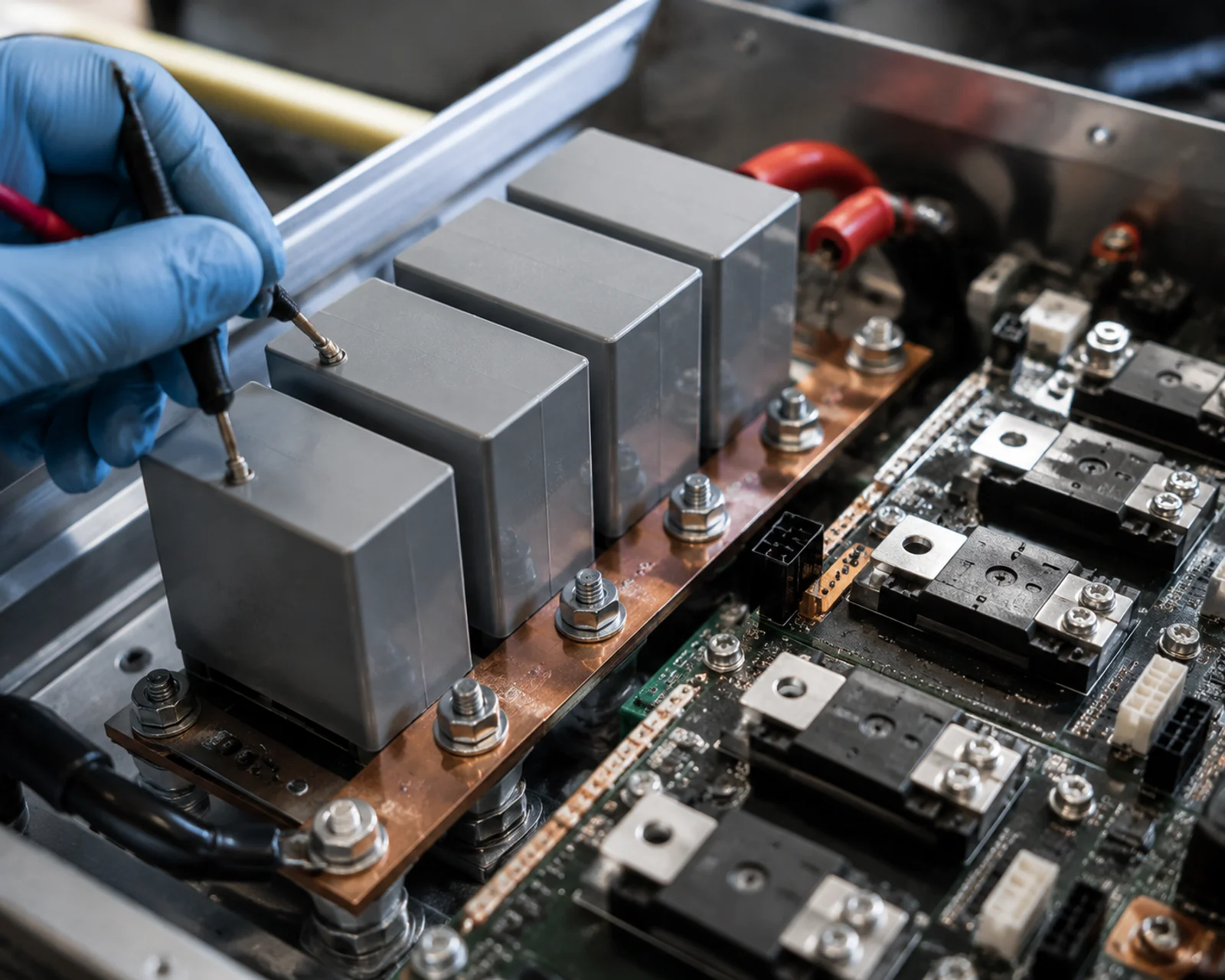
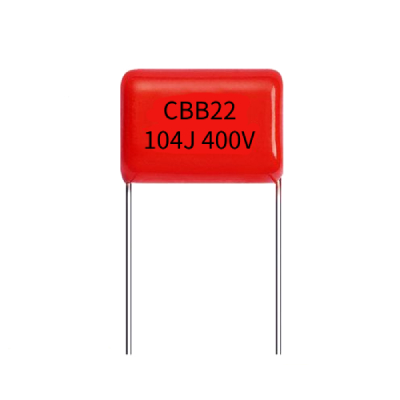
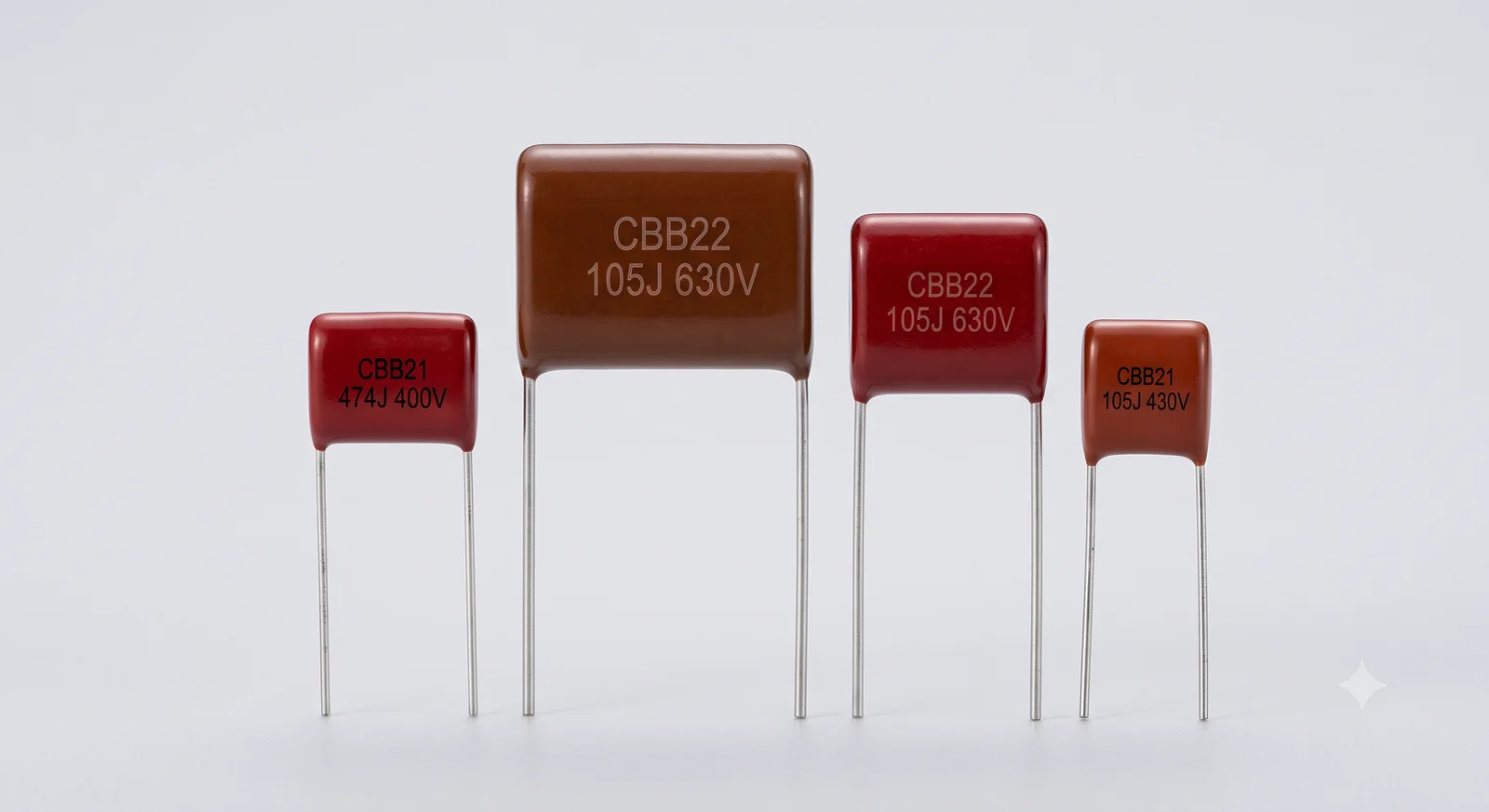
A capacitor is a fundamental electronic component that stores electrical energy in an electric field. It is widely used in almost all electronic circuits to regulate voltage, filter signals, and ensure stable operation.If you are wondering what is a capacitor, the simplest definition is this:
👉 A capacitor temporarily stores energy and releases it when needed.
From power supplies to air conditioners, capacitors play a critical role in modern electronics.
2.What Do Capacitors Do in a Circuit?
Capacitors perform several key functions in electronic circuits, including energy storage, voltage stabilization, signal filtering, signal coupling and decoupling, and timing control. These essential capacitor functions make them widely used in power supply circuits, signal processing systems, and high-frequency electronic applications.
2.1 Energy Storage
Capacitors act as energy storage devices, storing electrical charge and releasing it when needed. This function is crucial in power supplies, backup systems, and pulse circuits, where stable energy delivery is required.
2.2 Voltage Stabilization
One of the most important roles of capacitors is voltage stabilization. By smoothing voltage fluctuations and reducing ripple, capacitors improve power supply performance and protect sensitive electronic components.
2.3 Signal Filtering
Capacitors are widely used for signal filtering, helping remove unwanted noise and interference. They are essential components in low-pass filters, high-pass filters, and EMI suppression circuits.
2.4 Signal Coupling and Decoupling
In circuits, capacitors enable signal coupling by allowing AC signals to pass while blocking DC. At the same time, decoupling capacitors reduce noise and isolate different parts of a circuit, ensuring stable operation.
2.5 Timing and Frequency Control
Capacitors work together with resistors or inductors to control timing and frequency in circuits such as oscillators, timers, and switching power supplies.
3.How Does a Capacitor Work?
A capacitor works by storing and releasing electrical energy in an electric field through a process of charging and discharging. The basic working principle of a capacitor involves two conductive plates separated by a dielectric material, allowing it to accumulate, hold, and release electric charge when connected to a circuit.
3.1 Charging Process
When a capacitor is connected to a power source, it begins to charge. Electrons accumulate on one plate (negative side), while the other plate loses electrons (positive side), creating an electric field between the plates. During this process, the voltage across the capacitor gradually increases until it equals the supply voltage.
3.2 Energy Storage
As the capacitor charges, energy is stored in the electric field between the dielectric material. This stored energy can be released later, making capacitors essential for energy storage, filtering, and power stabilization applications.
3.3 Discharging Process
When the circuit requires energy, the capacitor will discharge, releasing the stored energy back into the circuit. The electrons flow from the negative plate to the positive plate through the external circuit, providing temporary power support.
3.4 Charge–Discharge Cycle
In many applications, capacitors continuously charge and discharge in cycles, which enables functions such as signal filtering, timing control, and frequency response regulation in electronic circuits.
4.What Is a Capacitor Made Of?
A capacitor is made of two conductive plates, a dielectric material, and external leads or terminals, all enclosed within a protective casing. These components work together to enable the capacitor to store and release electrical energy efficiently in electronic circuits.
4.1 Conductive Plates (Electrodes)
The core of a capacitor consists of two conductive plates, usually made of materials such as aluminum, tantalum, or copper. These plates store electric charge when voltage is applied and form the basis of the capacitor’s energy storage capability.
4.2 Dielectric Material
Between the two plates is a dielectric material, which acts as an insulator while allowing an electric field to form. Common dielectric materials include aluminum oxide (in electrolytic capacitors), ceramic, plastic film, and paper. The type of dielectric directly affects the capacitor’s capacitance, voltage rating, and performance.
4.3 Electrolyte (for Electrolytic Capacitors)
In electrolytic capacitors, an electrolyte is used to enhance capacitance. It works together with the dielectric layer (typically aluminum oxide) to achieve high capacitance in a compact size, making these capacitors ideal for power supply and filtering applications.
4.4 Leads and Terminals
Capacitors include leads (through-hole) or terminals (SMD capacitors) that connect the component to a circuit. These provide the path for current flow during the charging and discharging process.
4.5 Protective Casing
All internal components are enclosed in a protective casing, such as an aluminum can, epoxy coating, or plastic housing. This casing protects the capacitor from mechanical damage, moisture, and environmental factors.
Among these components, the dielectric material directly determines the capacitor’s critical performance characteristics—including its capacitance, rated voltage, intended applications, and service life.
5.Types of Capacitors
There are several types of capacitors, each designed for specific applications.
5.1 Electrolytic Capacitors
- High capacitance
- Polarized (must be connected correctly)
- Common in power supplies
5.2 Ceramic Capacitors
- Small and inexpensive
- Non-polarized
- Ideal for high-frequency applications
5.3 Film Capacitors
- High stability and reliability
- Used in industrial and audio applications
5.4 Supercapacitors
- Extremely high energy storage
- Used in backup power and energy storage systems
6.Capacitor Manufacturing Process (Simplified Overview)
The manufacturing process of aluminum electrolytic capacitors involves several key steps to ensure performance and reliability:
- Incoming Material Inspection (IQC): Raw materials such as aluminum foil, electrolyte, and paper are tested before production.
- Etching & Formation: Aluminum foil is etched to increase surface area and then oxidized to form the dielectric layer.
- Cutting & Lead Connection: The foil is cut to size and connected to lead wires.
- Winding: Aluminum foils and electrolytic paper are wound into a cylindrical structure.
- Impregnation: The element is soaked in electrolyte, which plays a key role in performance.
- Assembly & Sealing: The element is placed into an aluminum case and sealed.
- Final Testing: Capacitors are tested for capacitance, ESR, and reliability before shipment.
👉 This process ensures that capacitors meet the requirements of modern electronic applications.
👉 Learn more about the detailed manufacturing process of electrolytic capacitors
7.What Are Capacitors Used For?
Capacitors are widely used in electronic circuits for energy storage, voltage stabilization, signal filtering, noise suppression, coupling and decoupling, and timing control. These essential capacitor applications make them critical components in power supplies, consumer electronics, automotive systems, and industrial equipment.
Capacitors are versatile components used in almost every electronic device. Their main applications include:
7.1 Power Supplies
Capacitors smooth voltage and reduce ripple in power supplies, ensuring stable output for devices like adapters, LED drivers, and computer motherboards.
7.2Air Conditioners (HVAC Systems)
Capacitors help start and run motors efficiently in air conditioners and HVAC systems, improving performance and energy efficiency.
7.3 Electric Motors
Used for starting and running electric motors in appliances, industrial machines, and fans, providing reliable torque and smooth operation.
7.4 Consumer Electronics
Found in smartphones, TVs, computers, and gaming consoles, capacitors filter signals, store energy, and stabilize voltage for sensitive electronics.
7.5 Audio & Communication Circuits
Capacitors enable signal coupling and decoupling, block DC while passing AC signals, and maintain audio quality in amplifiers, speakers, radios, and communication devices.
7.6 Lighting Systems
Used in LED drivers, fluorescent ballasts, and smart lighting systems, capacitors stabilize current, reduce flicker, and improve lifespan of lights.
7.7 Energy Storage
Capacitors store energy for backup systems, UPS devices, camera flashes, electric vehicles, and renewable energy systems like solar inverters.
7.8 Timing & Oscillation Circuits
Control timing, frequency, and oscillations in clocks, timers, radios, signal generators, and microcontrollers for precise electronic control.
7.9 Power Factor Correction
Industrial capacitors improve power factor, reduce electricity costs, and enhance efficiency in motors, HVAC systems, and large-scale industrial equipment.
8.Do Capacitors Have Polarity?
Some capacitors have polarity, while others do not. Polarized capacitors, such as aluminum electrolytic capacitors and tantalum capacitors, must be connected with the correct positive and negative terminals. In contrast, non-polarized capacitors, such as ceramic and film capacitors, can be connected in any direction.
8.1 Polarized Capacitors
Polarized capacitors require correct orientation in a circuit. The positive (+) and negative (–) terminals must not be reversed, otherwise it may lead to:
- Leakage current increase
- Overheating
- Capacitor failure or explosion
The most common polarized types include:
- Aluminum electrolytic capacitors
- Tantalum capacitors
These are widely used in:
- Power supply circuits
- Energy storage applications
- Voltage filtering
8.2 Non-Polarized Capacitors
Non-polarized capacitors do not have a fixed polarity and can be installed in either direction. This makes them suitable for AC circuits and signal applications.
Common types include:
- Ceramic capacitors
- Film capacitors
They are typically used in:
- Signal coupling
- High-frequency circuits
- Audio systems
9.How to Identify Capacitor Polarity
For polarized capacitors, polarity is clearly marked on the component:
- A stripe on the body usually indicates the negative terminal (for electrolytic capacitors)
- The longer lead typically represents the positive terminal
- PCB markings also help indicate correct orientation
Correct identification is essential for safe installation and reliable circuit performance.
10.Capacitor vs Battery
[/fusion_text]
| Feature | Capacitor | Battery |
|---|---|---|
| Energy storage | Short-term | Long-term |
| Charge speed | Very fast | Slow |
| Discharge speedDischarge speed | Very fast | Controlled |
| Usage | Instant power support | Continuous power supply |
👉 Capacitors are ideal for quick energy bursts, while batteries are better for long-term energy storage.
11.How to Choose the Right Capacitor
Choosing the right capacitor is critical for performance and reliability.
Key factors to consider:
- Capacitance (µF) → determines how much energy is stored
- Voltage rating (V) → must be higher than circuit voltage
- Temperature rating → affects lifespan
- Application type → power, signal, or timing
👉 Selecting the wrong capacitor can lead to circuit instability or failure.
12. Frequently Asked Questions About Capacitors
❓ What does a capacitor do in a circuit?
A capacitor stores energy, stabilizes voltage, and filters signals to improve circuit performance.
❓ What does a capacitor store?
A capacitor stores electrical energy in the form of an electric field.
❓ How does a capacitor work in AC and DC circuits?
In DC circuits, it stores and releases energy. In AC circuits, it allows alternating current to pass while blocking DC.
❓ How to test a capacitor?
You can test a capacitor using a multimeter, capacitance meter, or ESR meter to check its condition.
❓ How to tell if a capacitor is bad?
Common signs include bulging, leakage, high ESR, or failure to hold charge.
🔹 Conclusion
A capacitor is an essential electronic component used to store and regulate electrical energy in modern circuits. From power supplies to air conditioning systems, its ability to charge and discharge quickly makes it indispensable in electronics.
Understanding what a capacitor is, how it works, and where it is used can help you design better circuits and choose the right components for your application.