
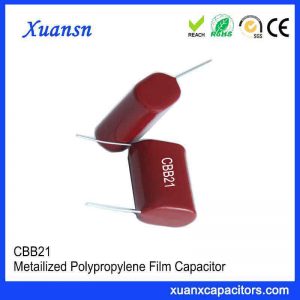
- Very low lossat high frequency
- Small internal temperature rise
- High insulation resistance
- excellentself-healing property
- long life
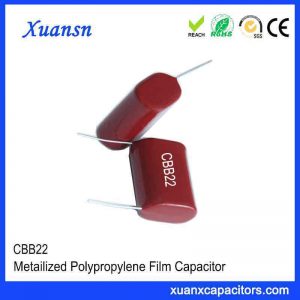
- Low loss ≤0.0008%
- low noise
- Small internal temperature rise and good self-healing
- Low frequency loss
- High temperature resistance 105℃
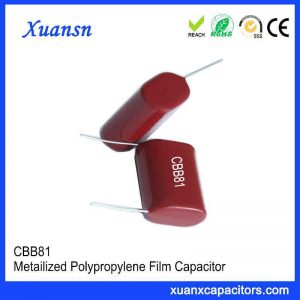
- Excellent frequency and temperature characteristics
- Low loss, smallinherent temperature rise and high reliability
- Negativetemperature coefficient of capacitance and good stability
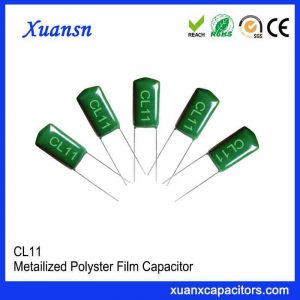
- Small size, light weight and low cost
- High stability and reliability
- Dissipation factor is small because the leads are directly welded to electrodes
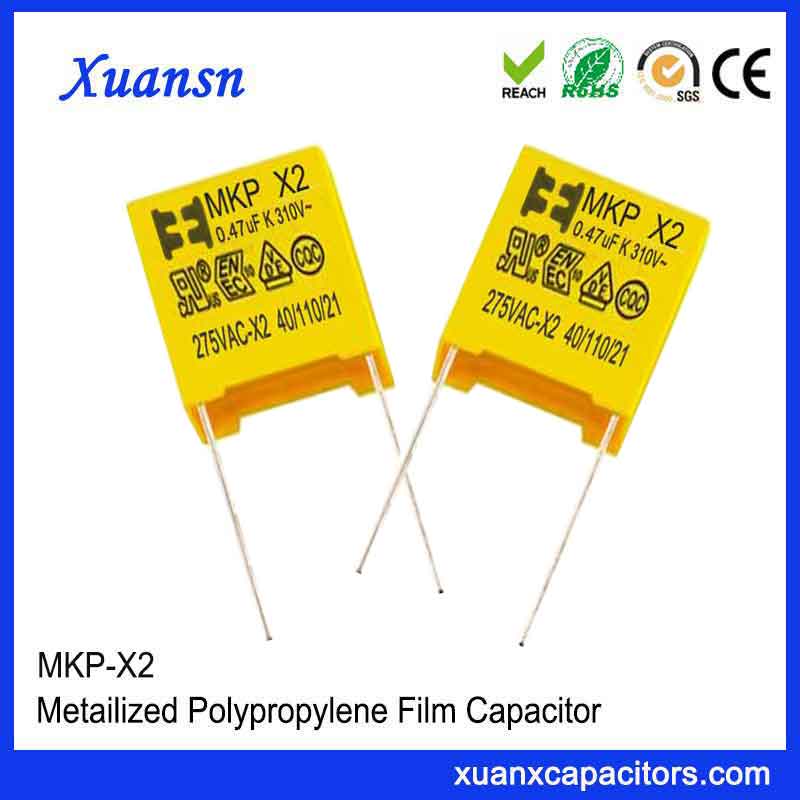
- Compact size
- Excellent flame retardant abilities
- High insulation resistance
- excellentself-healing
- high reliability
- Very lowloss at high frequency
- excellenttemperature characteristics
- withstanding5KV impulse voltage
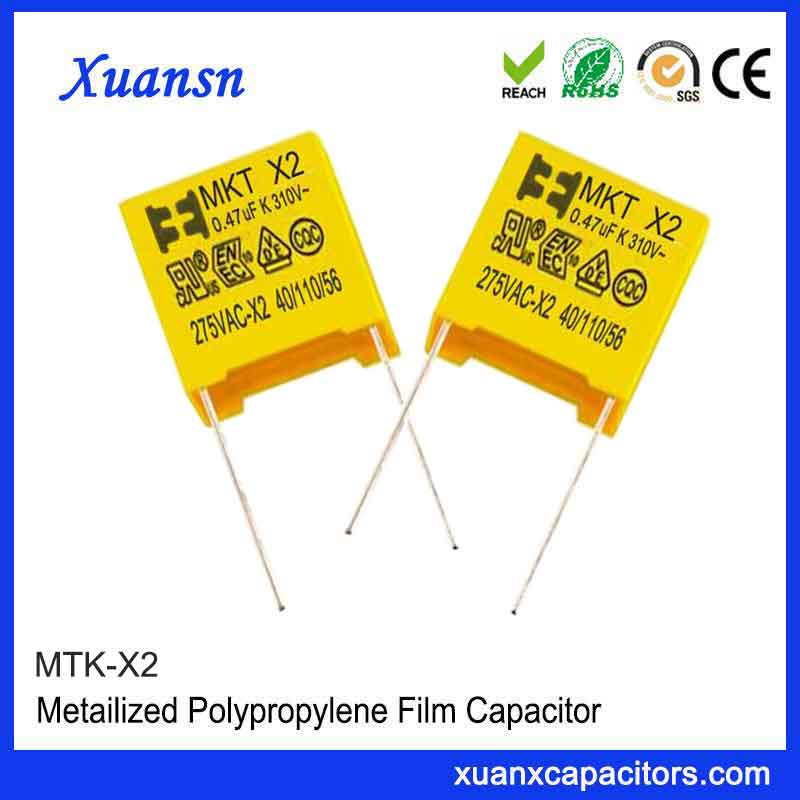
- Box type provides the identical dimensions
- Excellent flame retardant abilities
- High insualtion resistance,
- excellent self-healing property
- long life
- Withstanding 2.5KV impulse voltage
- As an across-the-line type noise suppression capacitor
- suitable for AC
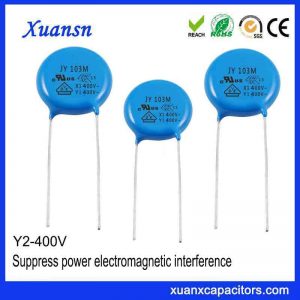
- Ideal for across the line applications
- Compact size
- Cost effective product
- Safety standards recognized for AC applications
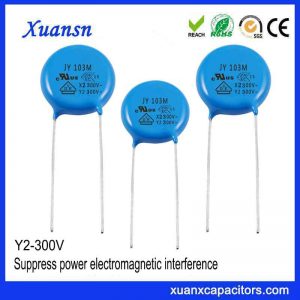
- Ideal for across the line applications
- Compact size
- Cost effective product
- Safety standards recognized for AC applications
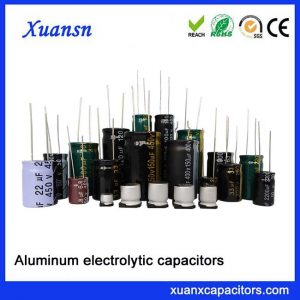
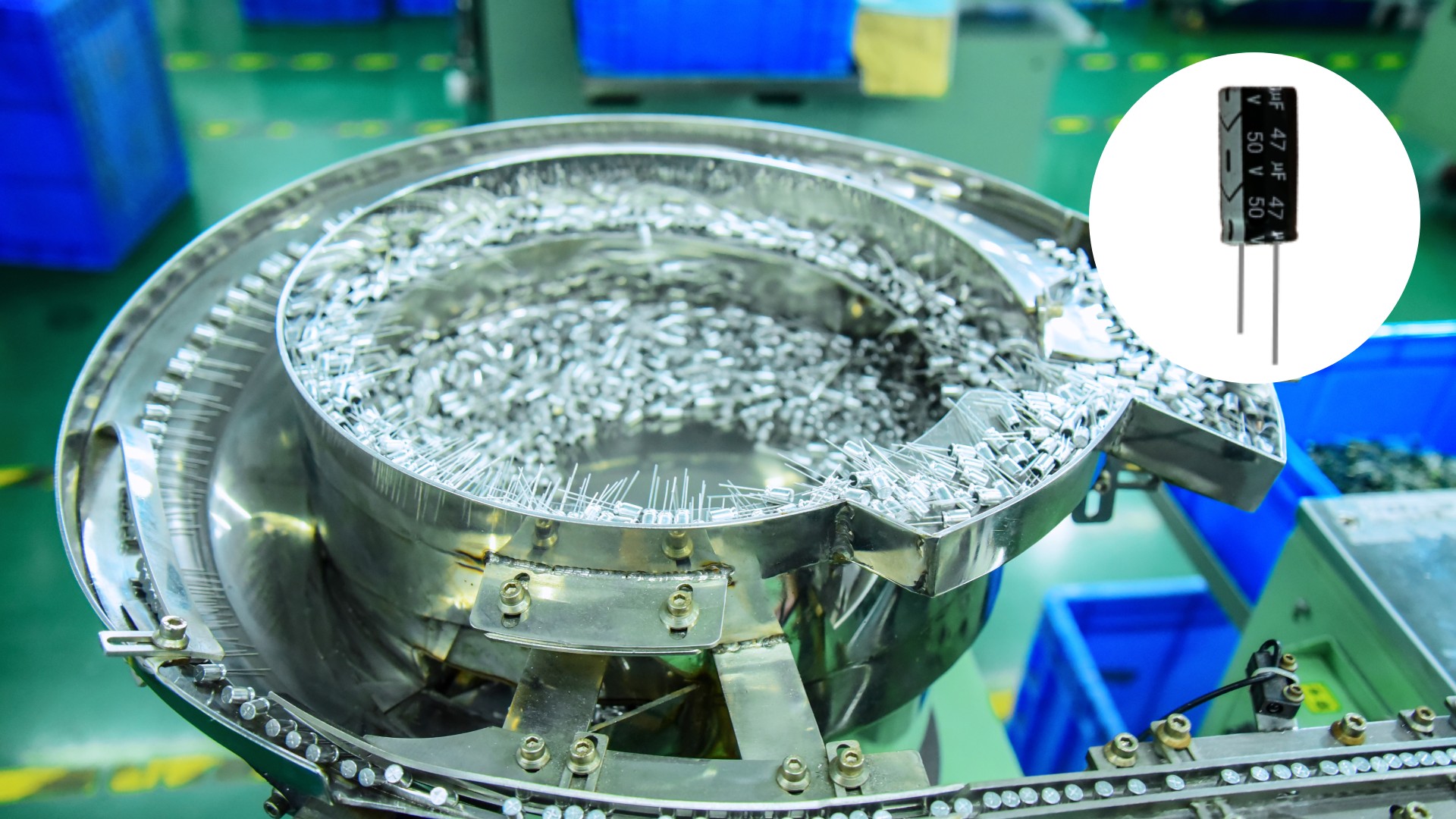
- Aluminum electrolytic capacitor
- Low cost, high cost performance
- Large capacity, wide range of specifications
- Mature technology and high stability
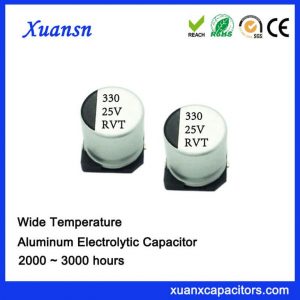
- Smd electrolytic capacitor
- Small size, small volume
- Low labor cost
- Mature technology and high stability
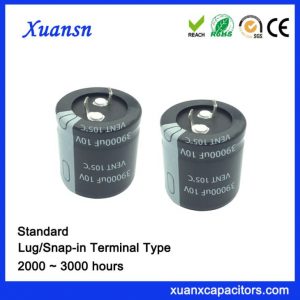
- Snap In Capacitor
- Large capacity and low voltage coexist
- Wide range of specifications
- Mature technology and high stability
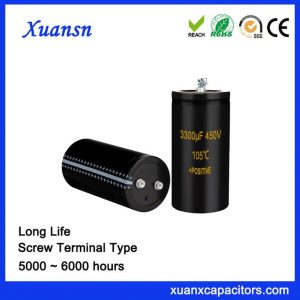
- Screw capacitor
- Super large capacity
- Enough storage power
- Mature technology and high stability
Recently News
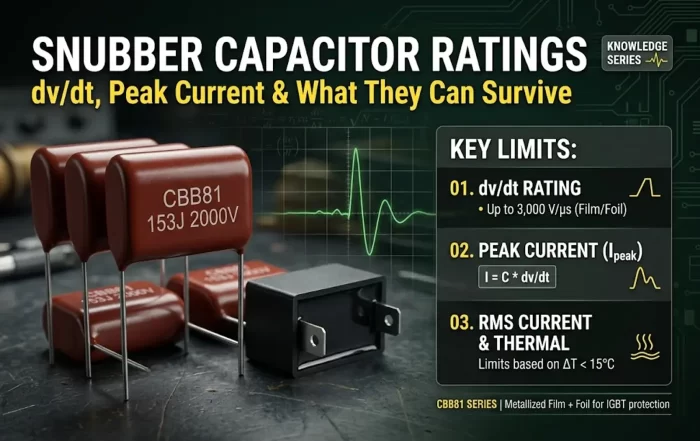
Snubber Capacitor Ratings: dv/dt, Peak Current, and What the Part Can Survive
A snubber capacitor is limited by dv/dt, peak current and pulse energy, not capacitance. Work the numbers and check a candidate part before you order.
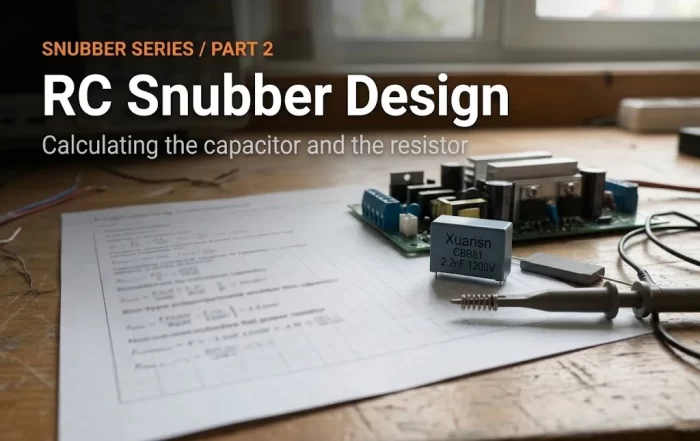
RC Snubber Design: Calculating the Capacitor and the Resistor
A snubber capacitor value copied from another schematic is the most common snubber on a new board. It usually arrives from a circuit that switched at a different frequency and ran at a different bus [...]
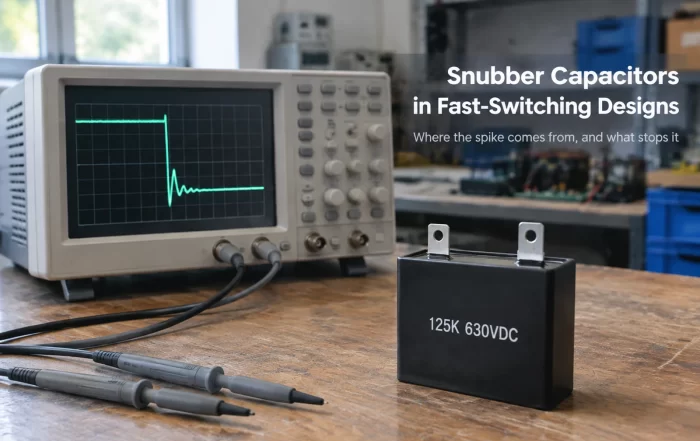
Snubber Capacitors: Where the Voltage Spike Comes From and What Stops It
Every switching transition pushes current through the loop between the switch and its decoupling path. That loop has inductance, and inductance turns a change in current into a voltage: V = L × di/dt. [...]
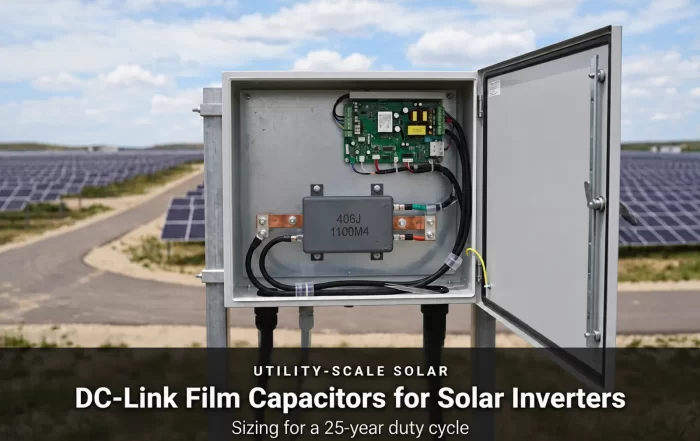
DC-Link Film Capacitors for Solar Inverters: Sizing for a 25-Year Duty Cycle
A solar inverter asks its DC-link capacitor for something harder than a peak rating. It asks for the same modest duty, repeated every day for twenty-five years. What separates a capacitor that reaches the end [...]

MLCC vs Film Capacitor: Which One to Choose in 2026
Choosing between an MLCC and a film capacitor comes down to one question: is this position about density and frequency, or about voltage, current and life? MLCCs win the first — decoupling, bypass and high-frequency [...]
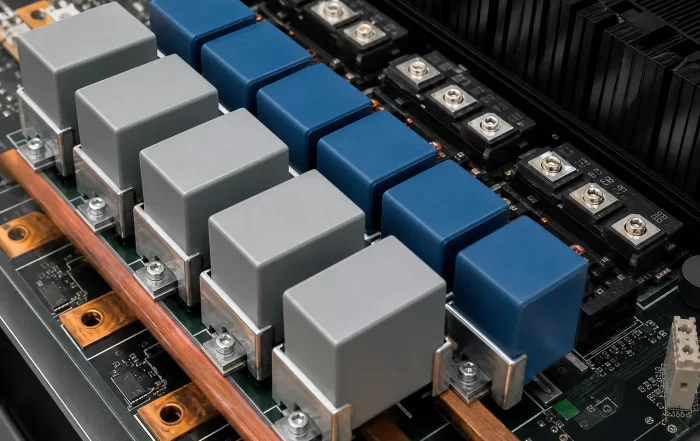
How to Select Film Capacitors for 800V SiC Inverters
Selecting the right film capacitor for an 800V SiC inverter comes down to four core criteria: voltage rating with 1.3–1.5× derating (an 800V bus demands 1000–1200V DC-rated parts), low ESL (under 20–50 nH to match [...]
Xuansn Partner
Panasonic, a giant in industrial and consumer electronics.

TDK, a global leader in electronic components.
Xuansn European Partners

A leading global manufacturer of surge protection and infrastructure management solutions

A Meteorological detection instruments experts

A leading global provider of high-precision frequency control and crystal oscillator solutions.