According to the American standard EIA-198-D, the temperature characteristics of Class II ceramic capacitors are represented by a combination of letters and numbers, divided into three parts: the first part (e.g., the letter X) represents the minimum operating temperature; the second part, a significant digit, represents the maximum operating temperature; and the third part represents the tolerance with respect to temperature change (expressed in ×10-6℃-1). The meaning of the letters and numbers in these three parts is shown in Table 1. This classification method has been widely adopted by many ceramic capacitor manufacturers, including XUANSN, for product selection and performance identification.
Table 1 Class II Dielectric Temperature Characteristics (EIA 198-D)

For example, in Class II ceramic capacitors, X7R means: the first digit X represents a minimum operating temperature of -55℃, the second digit 7 represents a maximum operating temperature of +125℃, and the third letter R represents a capacitance deviation of ±15% with respect to temperature change. X5R means: the first digit X represents a minimum operating temperature of -55℃, the second digit 5 represents a maximum operating temperature of +85℃, and the third letter R represents a capacitance deviation of ±15% with respect to temperature change. Z5U means: the first digit Z represents a minimum operating temperature of +10℃, the second digit 5 represents a maximum operating temperature of +85℃, and the third letter U represents a capacitance deviation of +22%, -56% with respect to temperature change. Y5V means: the first digit Y represents a minimum operating temperature of -30℃, the second digit 5 represents a maximum operating temperature of +85℃, and the third letter V represents a capacitance deviation of +22%, -82% with respect to temperature change.
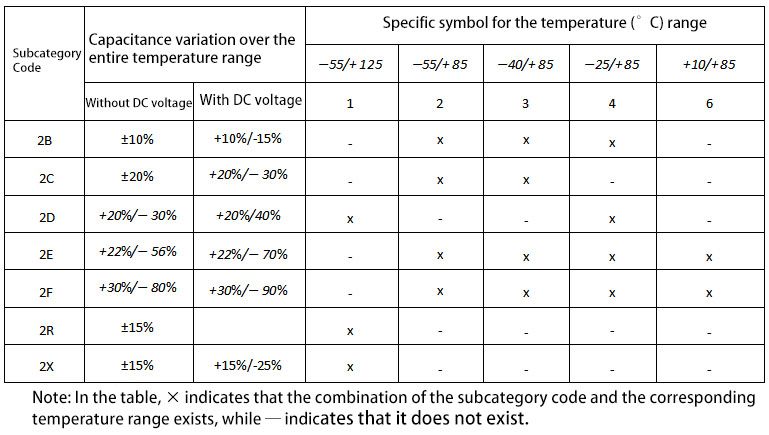
IEC also has corresponding standards: CECC 32100/IEC-384-10, as shown in Table 2.
Table 2 Temperature Characteristics of Class II Dielectric Materials (CECC32100/IEC-384-10)
1.Relationship between Capacitance, Insulation Resistance, and Temperature of Class II Ceramic Capacitors
The capacitance of Class II ceramic capacitors changes relatively significantly with temperature. Figures 1 and 2 show the relationship between capacitance change and temperature for X7R and Y5V dielectrics, respectively. For X7R, the capacitance decreases with increasing temperature from -55℃ to +85℃, approximately from +11% to -12%. From -15℃ to +25℃, the capacitance remains relatively constant with temperature. From 85℃ to +125℃, the capacitance increases with temperature, approximately from -12% to +5%, with a total variation of less than ±15%. The capacitance change of Y5V is relatively larger than that of X7R. From -20℃ to +85℃, the capacitance changes by approximately 70%. From -20℃ to +15℃, the capacitance increases with temperature, from approximately -65% to +3%. Then, from +15℃ to +85℃, the capacitance decreases with increasing temperature, from approximately +3% to nearly -60%, within the range of -82% to +22%. From the above results, it can be seen that the temperature characteristics of X7R are superior to those of Y5V.
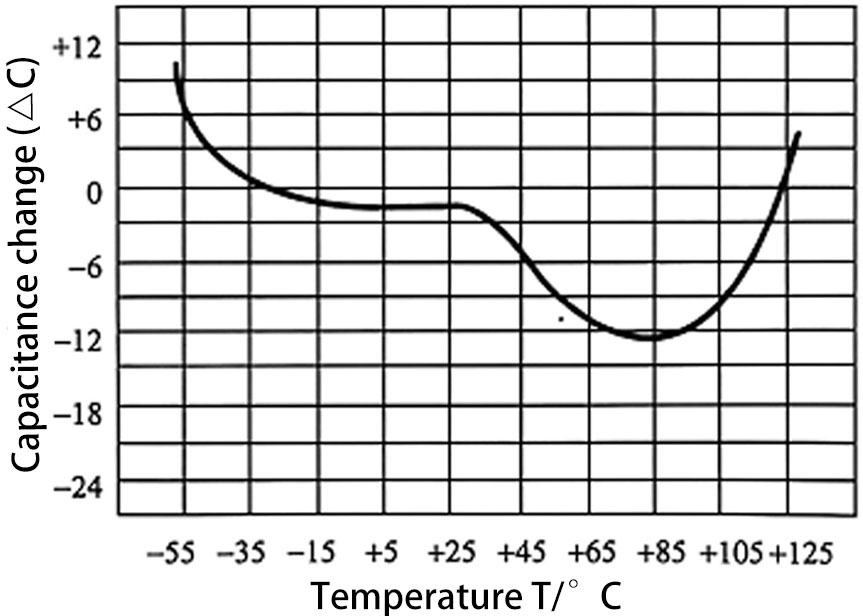
Figure 1 Relationship between capacitance change and temperature for X7R dielectric
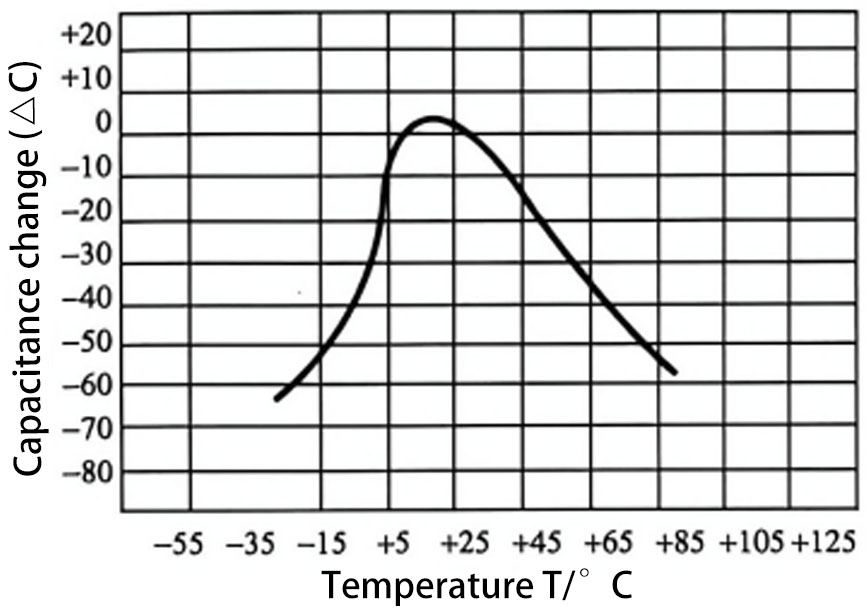
Figure 2 Relationship between capacitance change and temperature for Y5V dielectric
The insulation resistance of X7R dielectric changes relatively significantly with temperature, as shown in Figure 3. The insulation resistance decreases from approximately 4000s (or Ω·F) at around +15℃ to slightly more than 120s at +100℃. The insulation resistance of Y5V dielectric changes even more significantly with temperature than X7R, as shown in Figure 4. The insulation resistance decreases from approximately 2700s (or Ω·F) at around +20℃ to slightly more than 500s at +85℃. The insulation resistance of both is basically similar, but lower than that of COG. From the relationship between insulation resistance and temperature, it can be seen that attention should be paid to whether the insulation resistance of the capacitor meets the requirements in high-temperature applications.
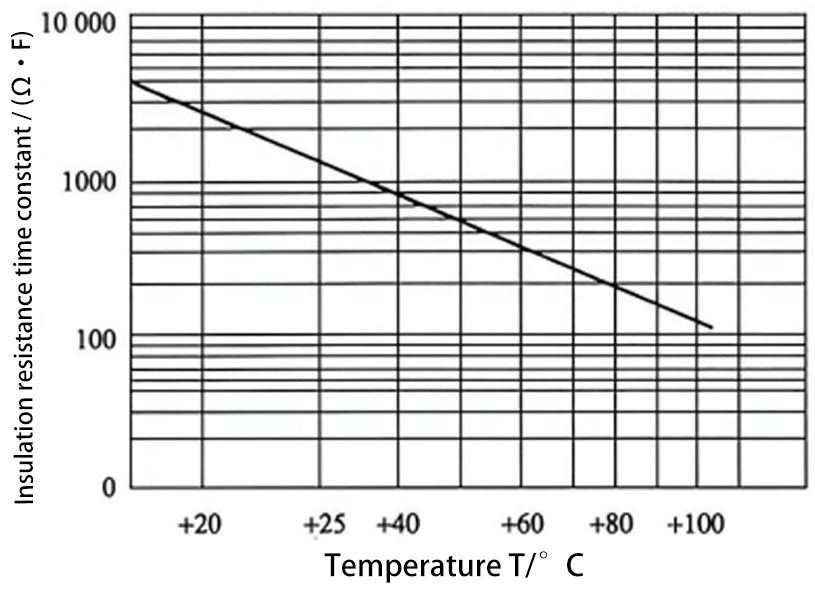
Figure 3: Relationship between X7R insulation resistance and temperature change
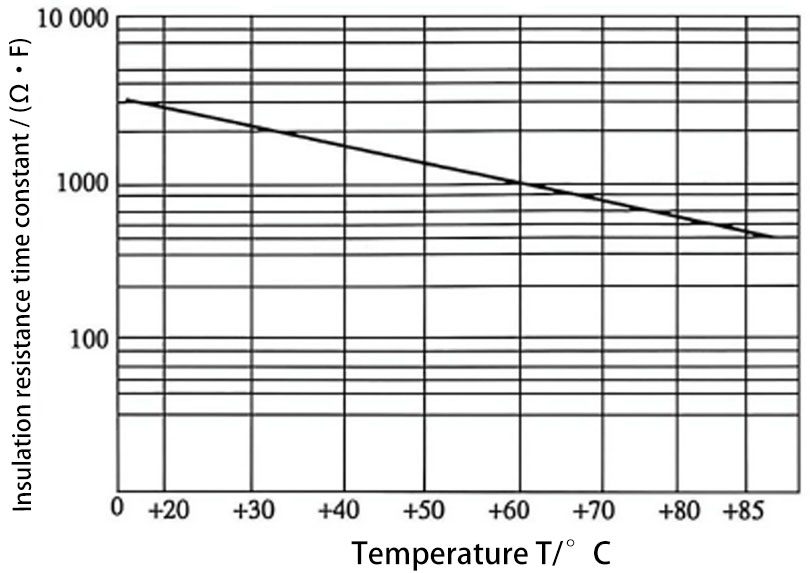
Figure 4: Relationship between Y5V insulation resistance and temperature change
2. The relationship between the loss factor of a dielectric capacitor and temperature.
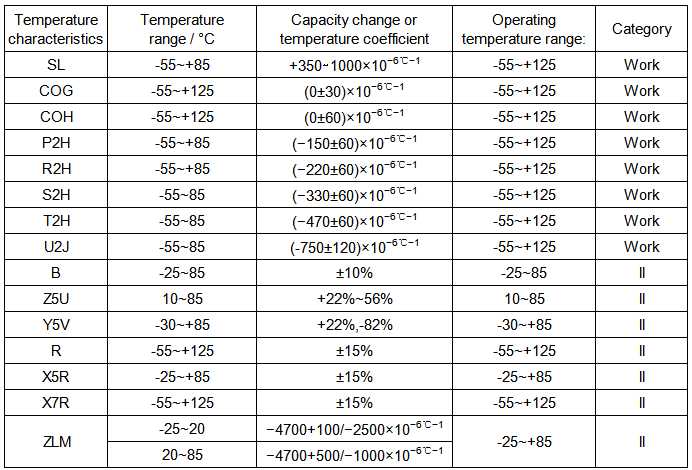
The loss factor of Class II ceramic capacitors is significantly higher than that of Class I dielectrics, and it changes more significantly with temperature. The loss factor of X7R dielectric decreases with temperature, from approximately 4.5% at -55℃ to 1% at +125℃, remaining almost constant between 50 and 70℃. The loss factor of Y5V dielectric decreases with temperature, from approximately 12% at -20℃ to less than 1% at +85℃, remaining almost constant between 50 and 85℃. At temperatures below room temperature, the X7R loss factor is significantly lower than that of Y5V; at room temperature, the X7R loss factor is lower than that of Y5V; and in the range of 60-80℃, the X7R loss factor is slightly higher than that of Y5V. See Figures 5 and 6. To further understand the temperature coefficient characteristics of various dielectrics, Table 3 lists the temperature coefficients and operating temperature ranges of common dielectrics. The above data applies to Class II ceramic dielectric capacitors manufactured by XUANSN. XUANSN can provide high-reliability products and customized solutions.
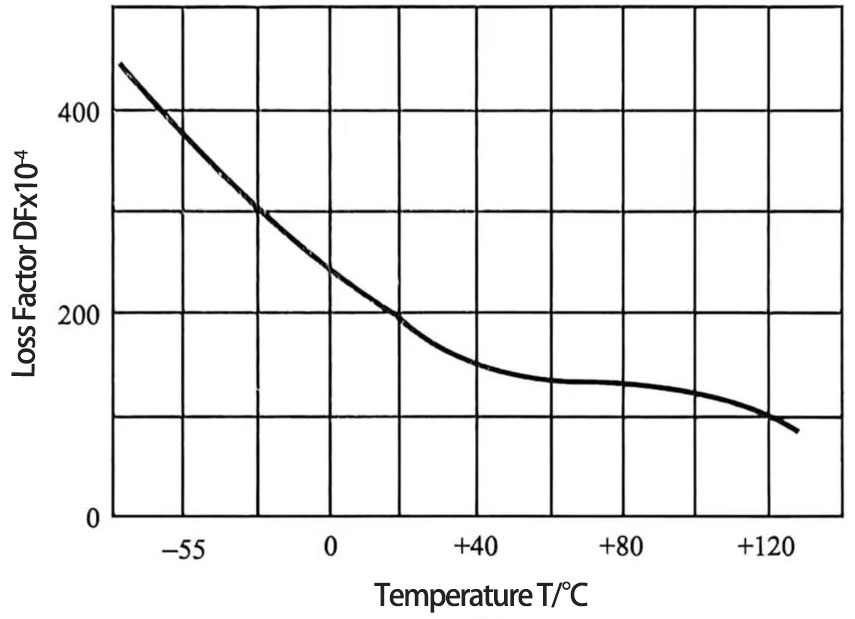
Figure 5: Relationship between X7R loss factor and temperature
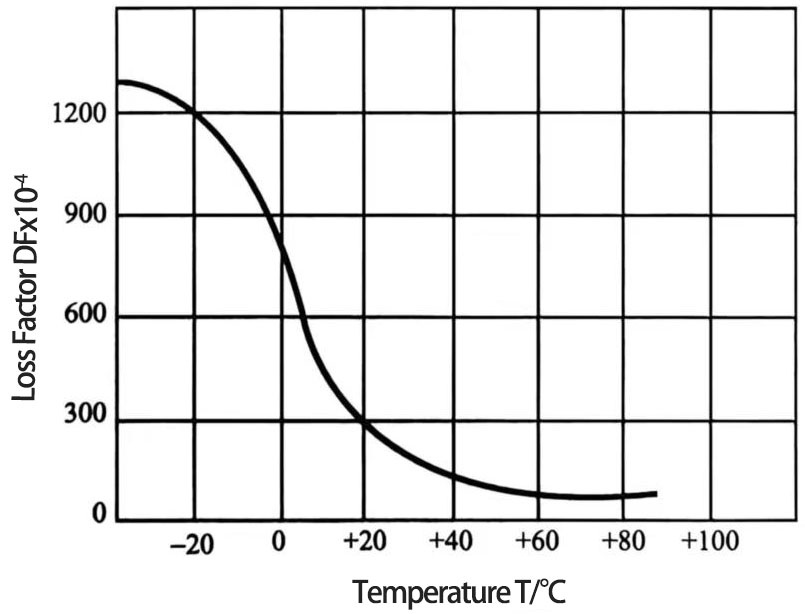
Figure 6: Relationship between Y5V loss factor and temperature
Table 3: Temperature coefficients of several common dielectrics